

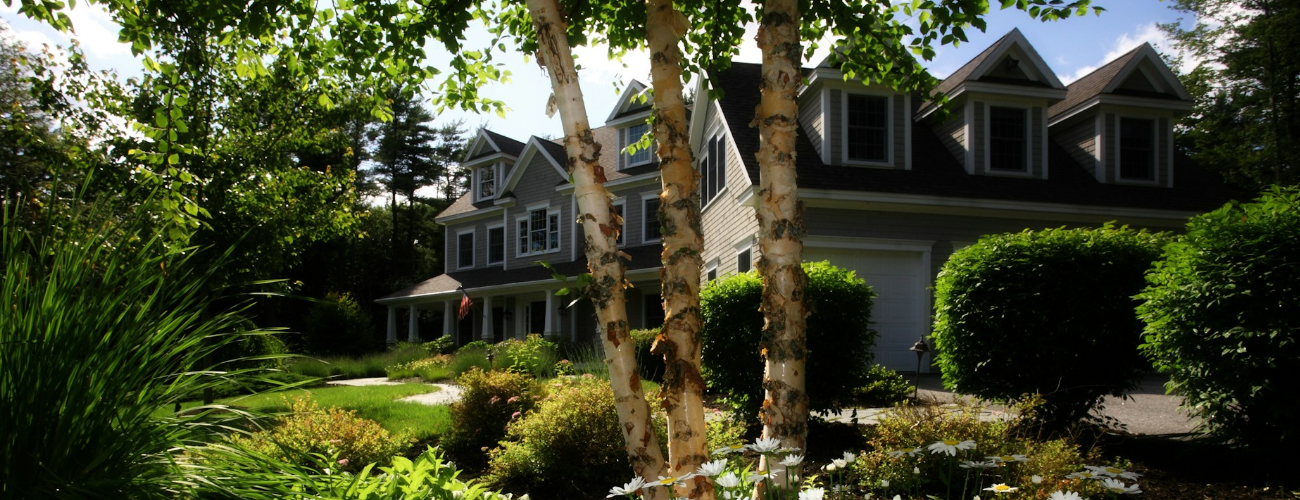
Designing Multi-Generational Homes: Creating Spaces for All Ages
As families grow and change, many households find themselves blending generations under one roof, with grandparents, parents, and children living together. Designing a home that meets the needs of all age groups presents unique challenges and exciting possibilities. Multi-generational homes require thoughtful design to ensure that each family member has a functional, comfortable, and personalized space. Here’s a guide on creating spaces that work for everyone, regardless of age, ability, or lifestyle.
Prioritize Accessibility and Mobility
One of the most important factors in multi-generational design is accessibility. Elderly family members or those with mobility issues may benefit from features such as:
- Wide hallways and doorways to accommodate wheelchairs or walkers.
- Zero-step entries at entrances and between rooms to reduce tripping hazards.
- Lever-style door handles and faucets for easier use.
- Grab bars in bathrooms and anti-slip flooring for added safety.
By integrating these elements, you ensure that all family members, from young children to seniors, can move safely and comfortably throughout the home.
Create Separate Living Areas for Privacy
Privacy is essential in a multi-generational household, so consider creating distinct living areas that allow family members to retreat to their own space. For example:
- In-law suites or a separate apartment-style area with a kitchenette, bedroom, and bathroom provide a semi-independent space for older family members.
- Basement or loft conversions can give younger family members a private area to relax.
- Soundproofing walls between shared and private spaces can minimize noise and enhance privacy for everyone.
By dividing the home into zones, each family member has the space to unwind without feeling like they are always on top of one another.
Flexible and Adaptable Rooms
Multi-functional spaces are key to creating a home that meets the changing needs of a multi-generational family. Consider rooms that can adapt to different purposes:
- Convertible bedrooms with fold-away beds or murphy beds allow spaces to transition between guest rooms, offices, or playrooms as needed.
- Modular furniture and open-plan layouts let you rearrange spaces easily to accommodate different activities or occupants.
- Bonus rooms or unused areas, such as under the stairs, can be converted into storage spaces, study nooks, or even a quiet reading corner.
Flexibility in your design ensures that the home can evolve as family members’ needs change over time.
Bathrooms Designed for All Ages
Bathrooms should be functional and safe for everyone. Consider installing:
- Walk-in showers with handheld showerheads, which are easier to use for seniors and children alike.
- Dual-height vanities or adjustable counters to accommodate users of different heights.
- Non-slip flooring to prevent falls, especially in wet areas.
- Ample storage for toiletries and medications, making it easy to keep things organized for multiple users.
Thoughtfully designed bathrooms will ensure everyone has access to a space that is safe, functional, and convenient.
Kitchens That Bring People Together
The kitchen often becomes the heart of a multi-generational home. Consider designing the kitchen to maximize space, functionality, and inclusivity:
- Lowered counters or pull-out shelves allow younger and older family members to participate in meal prep.
- Two sinks or prep stations provide enough room for multiple cooks in the kitchen.
- Large island or dining table for family gatherings and meals ensures there’s space for everyone.
- Accessible storage solutions, such as pull-down cabinets and lazy Susans, keep everything within reach.
With a well-designed kitchen, family members can comfortably come together, cook, and share meals.
Child-Friendly and Senior-Friendly Features
For a home that meets the needs of both children and seniors, incorporate age-appropriate features that everyone can use:
- Soft-close drawers and cabinets to avoid pinched fingers.
- Rounded edges on counters and furniture to reduce sharp corners and injury risks.
- Lower storage options for kids to access toys, while taller shelves can store fragile items out of reach.
- Outdoor spaces with non-slip pathways and shaded areas provide safe areas for both play and relaxation.
By designing with both ends of the age spectrum in mind, you create a more comfortable and accessible environment for everyone.
Centralized Gathering Spaces
While private spaces are important, a multi-generational home should also include shared spaces that bring the family together:
- Living rooms with comfortable seating, entertainment centers, and cozy furnishings provide a gathering spot for everyone.
- Outdoor areas with seating, fire pits, or dining areas are perfect for family gatherings in the fresh air.
- Game rooms or rec rooms for activities like movie nights, board games, or other hobbies can keep family members of all ages entertained.
Creating shared spaces that foster connection and family bonding ensures that the home remains a welcoming and social environment.
Smart Home Technology for Enhanced Comfort and Security
Smart home technology can make a multi-generational home safer, more accessible, and easier to manage. Consider adding:
- Smart thermostats that automatically adjust to keep rooms at a comfortable temperature.
- Voice-activated lights and appliances for ease of use, especially for seniors or younger family members.
- Security cameras and smart locks to enhance safety for everyone.
- Emergency alert systems or medical alerts, which allow elderly family members to call for assistance if needed.
By integrating these technologies, you can create a home that is comfortable, secure, and easy to navigate for all residents.
Final Thoughts
Designing a multi-generational home involves more than just creating extra bedrooms—it requires thoughtful planning to meet the diverse needs of each family member while maintaining a cohesive and comfortable space. By prioritizing accessibility, flexibility, and family-friendly features, you can create a home that fosters harmony, independence, and connection across generations.