

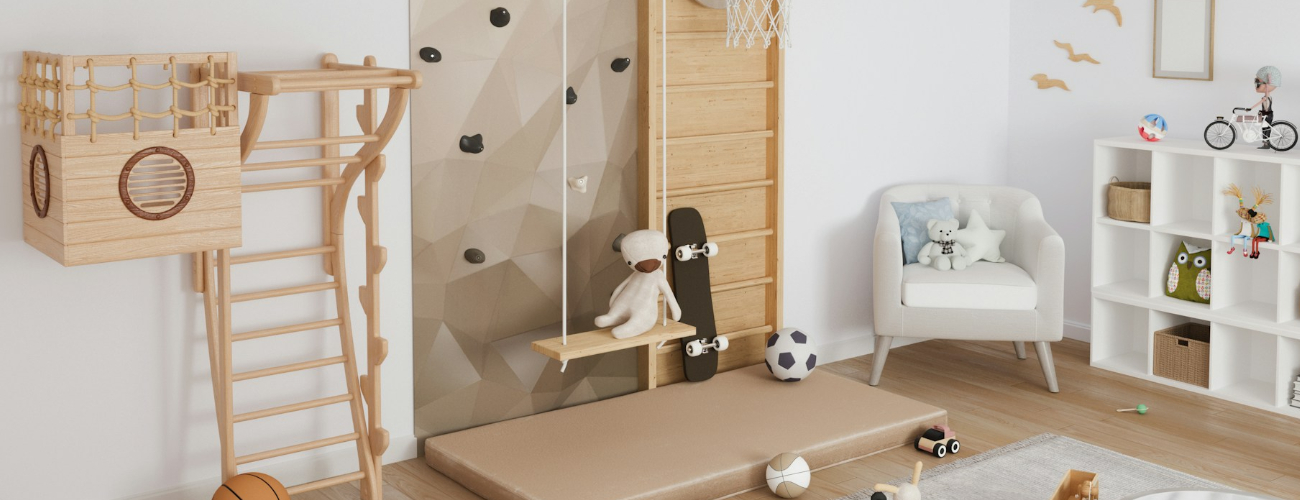
Designing a Kid-Friendly Playroom in a Spacious Home
Creating a dedicated playroom in a spacious home allows children to explore, learn, and have fun while keeping the rest of your house organized. A kid-friendly playroom should be functional, safe, and engaging while also blending with your home’s overall aesthetic. Here are some practical tips for designing the perfect playroom that your kids—and you—will love.
Prioritize Safety First
Safety should be your top consideration when designing a playroom. Keep these tips in mind:
- Rounded Furniture Edges: Choose tables and chairs with rounded corners to minimize injuries.
- Non-Toxic Materials: Use non-toxic paints, finishes, and materials for walls and furniture.
- Soft Flooring: Install carpet tiles, foam mats, or a large area rug to cushion falls.
- Childproofing: Cover electrical outlets, secure heavy furniture to walls, and keep cords and sharp objects out of reach.
By creating a safe environment, you can let your kids play freely without constant worry.
Incorporate Ample Storage
A spacious playroom can quickly become cluttered without the right storage solutions. Include:
- Open Shelving: Accessible shelves for toys and books encourage independence.
- Storage Bins and Baskets: Use color-coded or labeled bins to make tidying up fun and easy.
- Built-In Cabinets: Keep less-used or bulky items neatly tucked away.
- Multifunctional Furniture: Ottomans or benches with hidden storage provide extra seating and organization.
Having a place for everything ensures the playroom stays tidy and functional.
Create Activity Zones
A large playroom can accommodate multiple activity zones to keep kids engaged and entertained. Popular zones include:
- Reading Nook: Add a cozy corner with a small bookshelf, bean bags, or floor cushions.
- Art Station: Include a child-sized table, chairs, and supplies like crayons, paints, and paper.
- Building Area: Dedicate space for blocks, Legos, or other construction toys.
- Active Play Zone: Incorporate climbing walls, indoor slides, or mini trampolines for physical activity.
- Pretend Play Area: Set up a play kitchen, puppet theater, or dress-up station to spark creativity.
Organizing the room into zones keeps activities organized and prevents chaos.
Choose Durable and Washable Materials
Playrooms are high-traffic areas that are bound to see spills and messes. Opt for materials that can withstand wear and tear:
- Washable Paint: Use paint with an easy-to-clean finish for inevitable crayon marks.
- Durable Fabrics: Choose stain-resistant upholstery for chairs, couches, and cushions.
- Scratch-Resistant Flooring: Laminate or vinyl floors are ideal for heavy use and easy cleanup.
Durable materials ensure the playroom remains functional and attractive over time.
Incorporate Kid-Friendly Furniture
Furniture should be the right size for children and encourage independence. Consider:
- Child-Sized Tables and Chairs: Perfect for arts, crafts, and snack time.
- Comfortable Seating: Bean bags, floor pillows, or a small sofa for lounging.
- Adjustable Furniture: Desks or chairs that grow with your child for long-term use.
Kid-friendly furniture makes the space more comfortable and inviting for little ones.
Add Interactive and Educational Features
A playroom can be both fun and educational with features like:
- Chalkboard or Whiteboard Walls: Encourage creativity and learning.
- Interactive Wall Panels: Install activity boards with movable pieces or sensory elements.
- STEM Toys and Games: Include puzzles, science kits, or robotics for hands-on learning.
- Musical Instruments: Add small keyboards, drums, or xylophones for musical exploration.
Incorporating educational elements makes the playroom a space for growth and discovery.
Personalize the Space
Make the playroom unique to your child by adding personalized touches:
- Name Wall Art: Use their name or initials as decor.
- Favorite Themes: Incorporate their favorite colors, characters, or hobbies into the design.
- Showcase Creations: Dedicate a wall or board to display their artwork and projects.
Personalization creates a sense of ownership and pride in their space.
Include Plenty of Natural Light
A bright and airy playroom fosters creativity and positivity. Maximize light with:
- Large Windows: If possible, choose a room with big windows for ample sunlight.
- Sheer Curtains or Blinds: Allow light in while maintaining privacy.
- Warm Lighting: Use LED or soft-glow lights for evenings.
Natural light makes the space inviting and energizing for kids.
Design for Flexibility
Kids’ interests and needs change as they grow, so design a playroom that can evolve with them:
- Modular Furniture: Opt for furniture that can be rearranged or repurposed.
- Neutral Base Design: Use neutral colors for walls and flooring, adding personality through accessories.
- Expandable Storage: Plan for additional storage as their toy collection grows.
A flexible design ensures the playroom remains functional for years to come.
Conclusion
Designing a kid-friendly playroom in a spacious home is an exciting opportunity to create a space that encourages play, learning, and creativity. By focusing on safety, organization, and thoughtful design, you can craft a playroom that your children will enjoy for years to come. With the right touches, this room can be both practical and magical—a perfect haven for young imaginations to thrive.