

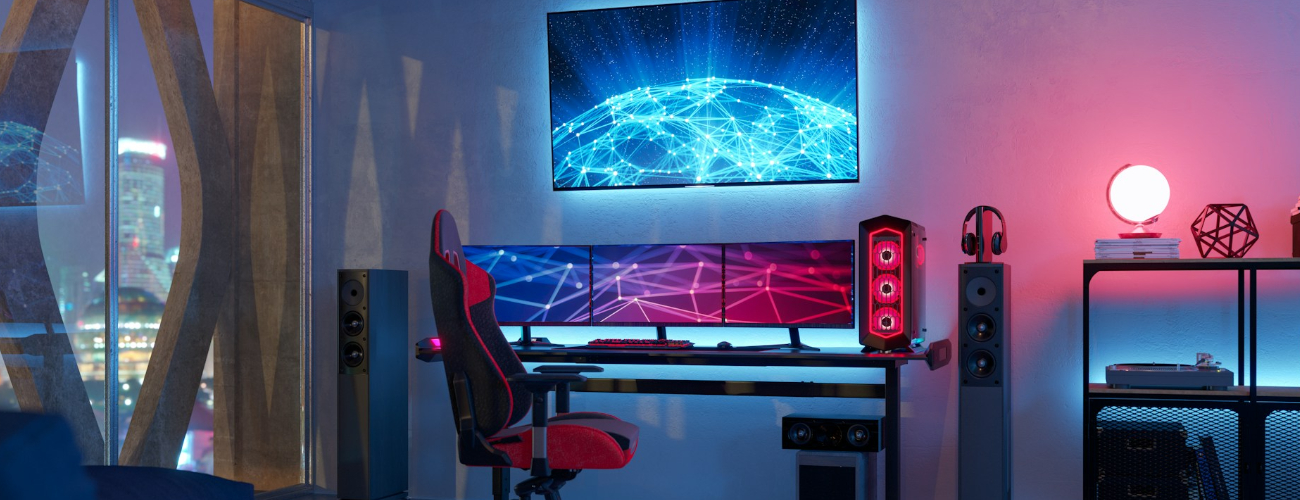
Designing a Gaming or Streaming Room
A dedicated gaming or streaming room is no longer a luxury reserved for professionals. With the rise of online content creation and immersive gaming experiences, more homeowners are investing in spaces designed for performance, comfort, and visual impact. A well-planned gaming or streaming room combines technology, acoustics, lighting, and ergonomics to support long sessions while maintaining a polished, modern design.
Defining the Purpose of the Room
The first step in designing a gaming or streaming room is determining how the space will be used. Competitive gaming, casual play, live streaming, and content recording all have different requirements. Streamers may prioritize camera angles and background design, while gamers may focus on screen placement and surround sound. Clarifying the room’s primary function guides all design decisions.
Layout and Ergonomic Planning
Proper layout is essential for both comfort and performance. Desk height, chair support, and monitor positioning should promote healthy posture during extended use. Adjustable desks and ergonomic gaming chairs reduce strain and improve focus. Adequate clearance for movement, cable management, and airflow ensures the space remains functional and uncluttered.
Acoustic Treatment and Sound Control
Sound quality is critical in gaming and streaming environments. Acoustic panels, foam tiles, and soft furnishings help absorb echo and reduce background noise. Proper sound treatment improves microphone clarity for streamers and enhances immersion for gamers using surround sound systems or headsets. Carpeting or area rugs also contribute to sound control while adding comfort.
Lighting Design for Performance and Atmosphere
Lighting plays a dual role in gaming and streaming rooms. Functional lighting prevents eye strain, while ambient and accent lighting establish atmosphere. LED strip lights, RGB panels, and backlit shelves allow customizable color schemes that reflect personal style or branding. For streamers, soft front-facing lighting ensures clear visibility without harsh shadows.
Technology and Equipment Integration
A successful gaming or streaming room seamlessly integrates technology. Cable management systems, concealed power outlets, and dedicated circuits support high-performance equipment while maintaining a clean look. Wall-mounted monitors, multiple display setups, and adjustable mounts enhance flexibility and optimize viewing angles.
Internet and Power Infrastructure
Reliable connectivity is non-negotiable in a gaming or streaming environment. Hardwired Ethernet connections provide stable speeds and low latency. Power strips with surge protection, uninterrupted power supplies, and proper ventilation protect equipment and ensure uninterrupted performance during long sessions.
Visual Design and Personal Branding
The visual appearance of the room contributes to both enjoyment and on-screen presence. Streamers often design custom backdrops using shelving, artwork, or LED features that reflect their brand identity. A cohesive color palette, modern finishes, and minimal clutter help create a professional and visually engaging environment.
Comfort and Climate Control
Extended gaming or streaming sessions require attention to comfort. Proper ventilation, temperature control, and seating support are essential. Blackout curtains reduce glare and help control lighting conditions, while soundproofing elements improve both comfort and recording quality.
Conclusion
Designing a gaming or streaming room requires balancing technology, ergonomics, and aesthetics. By focusing on layout, acoustics, lighting, and infrastructure, homeowners can create a space that supports performance while remaining visually refined. A thoughtfully designed gaming or streaming room enhances both the experience and the quality of content, making it a valuable addition to the modern home.