

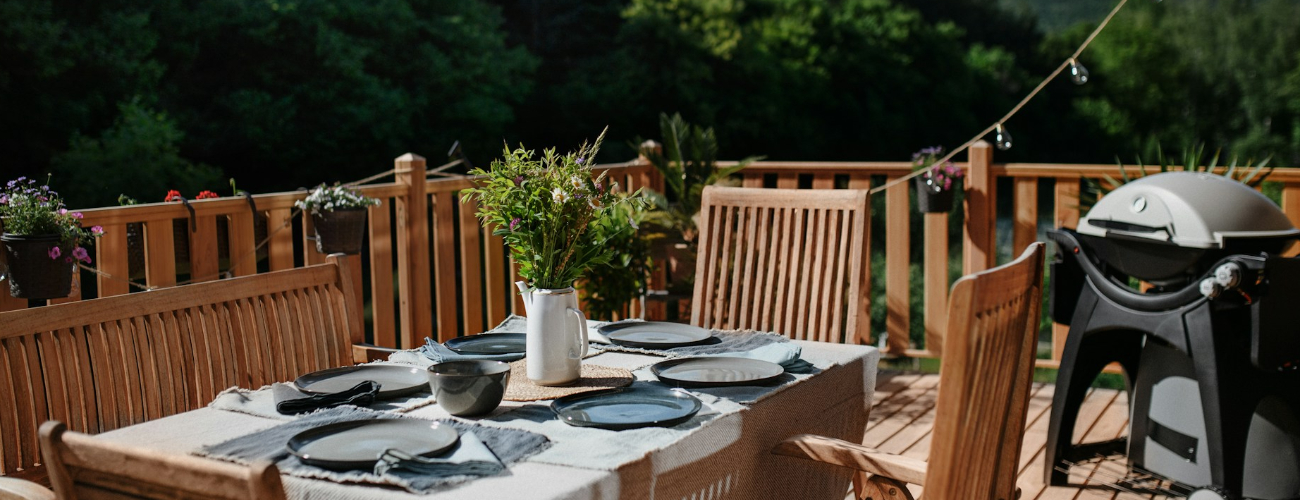
Deck Design for Dining and Cooking Areas
Outdoor decks have evolved into fully functional extensions of the home, especially when designed for dining and cooking. A well-planned deck allows homeowners to enjoy meals outdoors, entertain guests, and cook comfortably in an open-air environment. Designing a deck for dining and cooking requires thoughtful layout planning, material selection, and attention to safety and comfort.
Defining Zones for Cooking and Dining
Successful deck design begins with clearly defined zones. Cooking and dining areas should be visually and functionally distinct while remaining connected. The cooking zone typically includes a grill or outdoor kitchen, prep surfaces, and storage, while the dining zone accommodates a table and seating.
Separating these areas helps manage heat, smoke, and traffic flow. Adequate spacing between zones ensures that cooks can work safely without interfering with guests seated at the dining table.
Choosing the Right Deck Size and Layout
The size of the deck plays a major role in how effectively dining and cooking areas function. A deck designed for outdoor meals should allow enough space for chairs to be pulled out comfortably and for people to move around without obstruction. For cooking areas, additional clearance is needed around grills or appliances for safety and convenience.
Open layouts work well for social gatherings, while L-shaped or multi-level decks can naturally separate cooking and dining spaces without walls or barriers.
Selecting Durable and Heat-Resistant Materials
Deck materials must withstand exposure to heat, spills, and frequent use. Composite decking is often favored for cooking areas due to its durability and low maintenance, while natural wood can be used effectively with proper sealing and care.
Non-slip surfaces are essential, especially near grills or sinks where moisture and grease may be present. Choosing materials that resist staining and fading helps maintain the deck’s appearance over time.
Planning for Outdoor Cooking Features
Cooking areas require careful planning to support functionality. Grills should be positioned away from railings, walls, and seating areas to reduce fire risk. Built-in countertops, storage cabinets, and side burners enhance efficiency and create a more complete outdoor kitchen experience.
Ventilation is also important. Open deck designs allow smoke to dissipate naturally, but placement should still consider wind direction to avoid directing smoke toward dining areas or indoor spaces.
Comfortable and Practical Dining Furniture
Dining furniture should be selected based on both comfort and durability. Tables and chairs made from weather-resistant materials perform best outdoors. Seating arrangements should allow easy movement and provide enough space for larger gatherings when needed.
Shade solutions such as umbrellas, pergolas, or retractable awnings improve comfort during hot or sunny days. These features help define the dining area while protecting guests from direct sunlight.
Lighting for Evening Use
Proper lighting extends the usability of dining and cooking decks into the evening. Task lighting near grills and prep areas ensures safe food preparation, while softer ambient lighting enhances the dining experience.
Integrated deck lighting, string lights, or wall-mounted fixtures can create a warm and inviting atmosphere without overwhelming the space.
Storage and Convenience Considerations
Incorporating storage into deck design improves functionality. Built-in benches with storage, cabinets for cooking tools, and designated areas for serving trays or dishware reduce the need to travel back and forth indoors.
Convenient access to the kitchen or indoor dining area also improves flow and makes outdoor entertaining more enjoyable.
Designing a Deck That Brings People Together
A deck designed for dining and cooking becomes a central gathering place for family and friends. By carefully planning layout, materials, lighting, and furniture, homeowners can create an outdoor space that supports both everyday meals and special occasions. Thoughtful deck design ensures comfort, safety, and long-lasting enjoyment of outdoor living.