

Converting an Attic into a Walk-In Closet
Transforming an attic into a walk-in closet is one of the most efficient ways to expand usable space without altering the footprint of a home. While attics are often seen as storage for rarely used items, a well-planned renovation can turn this overlooked area into a functional, organized, and visually refined dressing space.
Assessing the Space and Structure
Before starting any renovation, it is essential to evaluate the attic’s structure. Ceiling height plays a major role in determining usability. Building codes in many areas require a minimum height for habitable spaces, so measuring the central portion of the attic is the first step. Floor reinforcement may also be necessary, especially if the attic was not originally designed to support heavy loads such as cabinetry and clothing.
Access is another key consideration. A pull-down ladder may not be practical for daily use, so upgrading to a permanent staircase can significantly improve convenience and safety.
Working with Sloped Ceilings
Sloped ceilings are one of the defining features of attic spaces. Instead of viewing them as limitations, they should be incorporated into the design. Lower sections are ideal for drawers, shoe racks, or closed storage, while taller sections can be used for hanging garments.
Custom-built storage solutions are especially valuable in these spaces. They allow the design to follow the angles of the ceiling, ensuring that no area is wasted. This approach creates a seamless and tailored appearance.
Lighting and Ambience
Lighting is often a challenge in attic conversions. Since natural light is typically limited, a layered lighting approach is recommended. Recessed ceiling lights provide general illumination, while LED strips under shelves or inside cabinets improve visibility.
If possible, installing skylights can transform the space. They introduce natural light and make the attic feel larger and more inviting. Proper lighting not only improves functionality but also enhances the overall atmosphere of the closet.
Insulation and Climate Control
Attics are prone to temperature extremes, making insulation a critical part of the renovation. Proper insulation helps maintain a stable environment, protecting clothing from heat, cold, and humidity.
Ventilation should also be addressed to prevent moisture buildup. In some cases, extending the home’s HVAC system into the attic may be necessary to ensure year-round comfort.
Flooring and Finishes
Choosing the right flooring contributes to both comfort and durability. Materials such as laminate, engineered wood, or luxury vinyl are practical options due to their resistance to wear. Adding a rug can soften the space and create a more comfortable dressing area.
Finishes should remain consistent with the rest of the home. Neutral tones, clean lines, and quality materials create a cohesive and timeless design. Small details, such as hardware and trim, can significantly elevate the final result.
Functional Features and Layout
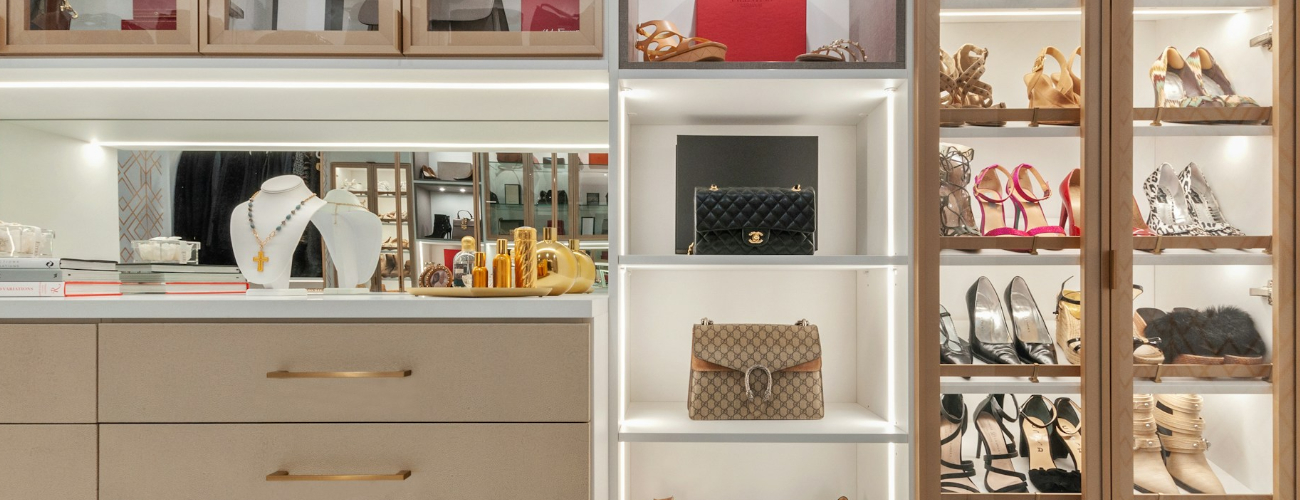
A well-designed walk-in closet goes beyond storage. Incorporating features such as a full-length mirror, a central island, or designated sections for accessories improves organization and usability. Clear zoning for different types of clothing helps maintain order over time.
If space allows, a small seating area can add comfort and convenience, especially when selecting outfits or organizing items.
Final Thoughts
Converting an attic into a walk-in closet is a practical renovation that combines efficient use of space with thoughtful design. By addressing structural requirements, optimizing storage, and focusing on lighting and insulation, the attic can be transformed into a functional and refined extension of the home. This type of upgrade not only improves daily living but also adds long-term value to the property.