

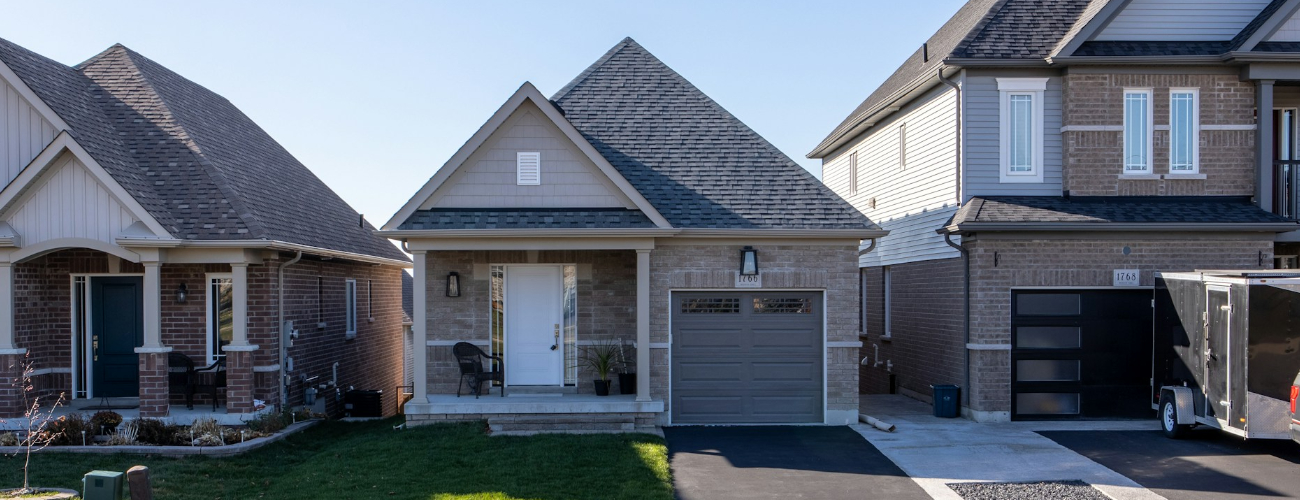
Choosing the Right Siding Material for Your Home
Siding is more than just your home’s outer shell—it plays a vital role in protecting your structure from the elements, insulating the interior, and defining the overall aesthetic. Whether you’re building a new house or updating an older one, choosing the right siding material is a major decision that impacts durability, energy efficiency, maintenance, and curb appeal. With so many options available, understanding the pros and cons of each material can help you make the right choice for your needs and budget.
Vinyl Siding: Budget-Friendly and Low Maintenance
Vinyl siding is one of the most popular choices for homeowners across the U.S. due to its affordability and minimal upkeep. It comes in a wide range of colors and styles, including options that mimic wood grain or shingles. Vinyl is resistant to rot, moisture, and pests, making it a practical choice for various climates.
Pros:
- Cost-effective
- Easy to clean and maintain
- Available in many colors and textures
- Resistant to fading and weathering
Cons:
- Not as durable as other materials in extreme weather
- May crack or warp over time
- Less eco-friendly than natural materials
Wood Siding: Classic and Natural Appeal
For those who appreciate timeless charm and a natural look, wood siding remains a top choice. It includes styles like clapboard, shakes, and shingles, and it can be stained or painted in virtually any color. Wood siding offers excellent insulation, but it does require regular maintenance to protect it from moisture and insects.
Pros:
- Rich, natural appearance
- Excellent insulation properties
- Can be customized with paint or stain
Cons:
- Requires regular sealing, painting, or staining
- Prone to rot, termites, and fire
- Higher upfront and maintenance costs
Fiber Cement Siding: Durable and Versatile
Fiber cement siding is made from a mix of cement, sand, and cellulose fibers. It’s a highly durable option that resists rot, fire, and pests. It can mimic the look of wood, stucco, or masonry, offering homeowners flexibility in design without compromising strength.
Pros:
- Very durable and long-lasting
- Resistant to fire, pests, and moisture
- Low maintenance
Cons:
- Heavier than other materials (more expensive to install)
- Limited color choices unless painted
- Can crack if not installed properly
Brick and Stone Veneer: Timeless and Elegant
Brick and stone veneer offer a sophisticated and classic exterior look. While full masonry can be expensive and heavy, veneer options provide similar beauty at a reduced weight and cost. These materials are extremely durable and require minimal maintenance.
Pros:
- Highly durable
- Fire- and pest-resistant
- Adds character and value to the home
Cons:
- Higher installation costs
- Limited design flexibility
- Can be difficult to repair or match if damaged
Engineered Wood Siding: A Smart Alternative
Engineered wood is made from wood fibers and resin, giving it the appearance of traditional wood with better durability and moisture resistance. It’s lighter and more affordable than natural wood, and often comes pre-primed or pre-painted.
Pros:
- More durable than natural wood
- Easier to install
- Typically treated to resist rot and insects
Cons:
- Can still be vulnerable to moisture if not properly installed
- Requires some maintenance
- Not as authentic as real wood
Final Thoughts
Choosing the right siding material for your home depends on several factors: your budget, climate, design goals, and willingness to handle maintenance. Vinyl may be the best choice for affordability, while wood appeals to those who value natural beauty. Fiber cement offers strength and versatility, and brick or stone gives your home a permanent, elegant look. Engineered wood is an excellent compromise between beauty and durability.
Before deciding, consider consulting with a contractor or home designer. A professional can help you evaluate which materials will not only complement your home’s architecture but also stand the test of time. Your siding isn’t just an exterior layer—it’s an investment in your home’s future.