

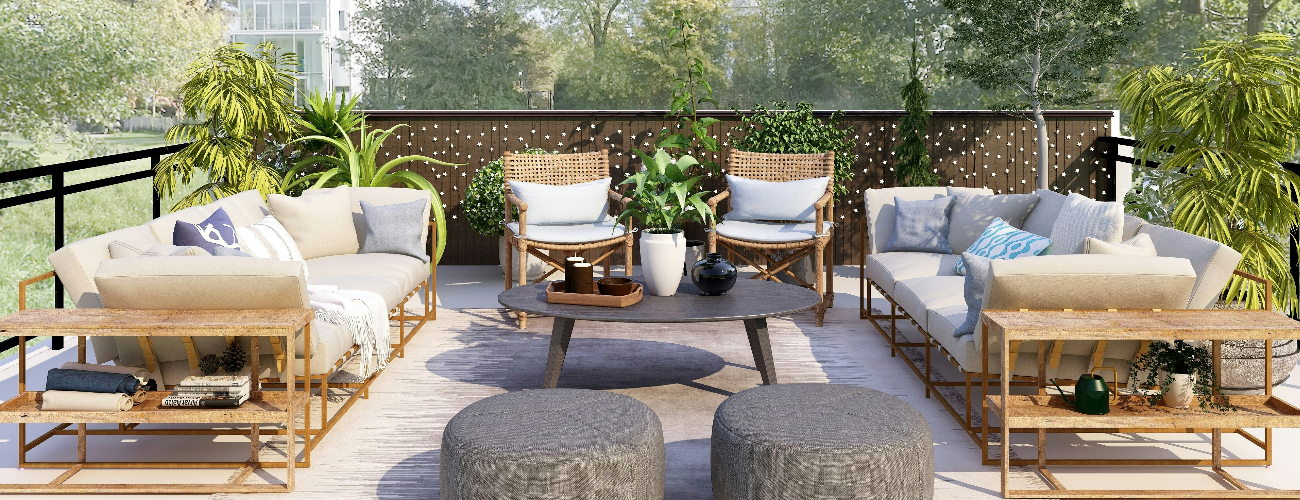
Choosing Outdoor Furniture That Lasts
Investing in outdoor furniture is about more than just picking a stylish chair or a trendy table. Outdoor pieces must endure everything nature throws at them—from sun and rain to wind, humidity, and temperature swings. The right choices can transform patios, balconies, and backyards into functional, relaxing spaces that stay beautiful for years. The wrong ones may fade, rust, warp, or fall apart after just one season.
So, how do you choose outdoor furniture that truly lasts? The answer lies in selecting the right materials, construction quality, weather resistance, and maintenance level for your climate and lifestyle.
Prioritize Durable Materials
The material is the foundation of long-lasting outdoor furniture. Some materials are naturally weather-resistant, while others require treatment or maintenance to survive the elements.
Metal
- Aluminum is rust-resistant, lightweight, and doesn’t retain heat. Powder-coated aluminum is even more durable.
- Stainless steel is strong and holds up well in most climates, though it can get hot in direct sun.
- Wrought iron is heavy and wind-resistant, but it must be regularly treated to prevent rust, especially in humid areas.
Wood
- Teak is considered the gold standard for outdoor wood furniture. It contains natural oils that resist water, insects, and rot. Over time, it develops a silvery patina.
- Eucalyptus and acacia are more affordable but require regular sealing to maintain their weather resistance.
- Cedar resists moisture and insects but is softer and may dent more easily.
Resin and Plastic
- High-density polyethylene (HDPE) is one of the most durable plastics used for outdoor furniture. It resists fading, cracking, and mildew.
- Avoid cheap plastics, which can warp or become brittle with prolonged sun exposure.
Wicker
- Synthetic wicker (resin wicker) is far more durable than natural wicker. It’s designed to withstand UV rays and moisture and is usually wrapped around a rustproof aluminum frame.
Check for Quality Construction
Material is important, but how the furniture is built also plays a big role in its lifespan.
- Look for welded joints in metal furniture rather than screws or bolts, which can loosen or corrode.
- Mortise-and-tenon joinery in wood furniture provides strong, lasting connections.
- Ensure that cushions are well-stitched, use fade-resistant fabrics (like solution-dyed acrylic), and include ventilation to prevent mold.
A high-quality piece will feel stable, solid, and balanced—never wobbly or flimsy.
Consider Climate and Exposure
Your region’s climate should guide your furniture choices.
- Hot and sunny climates: Prioritize UV-resistant materials and fade-resistant fabrics. Metal and teak are good choices.
- Humid or rainy climates: Choose rustproof materials like aluminum, HDPE wicker, or treated woods. Ensure cushions are quick-drying and mold-resistant.
- Cold climates: Store furniture indoors or use covers during the winter. Avoid materials that crack with freezing temperatures.
Look for Low-Maintenance Options
Busy homeowners benefit from furniture that doesn’t require constant care.
- Powder-coated aluminum, HDPE, and synthetic wicker need little more than a seasonal cleaning.
- Teak can be left untreated to weather naturally, or oiled regularly to maintain its golden color.
- Choose removable cushion covers that are machine-washable and replaceable if needed.
Don’t Forget Functionality and Storage
Foldable, stackable, or modular furniture makes storage easier in the off-season. If you don’t have a shed or garage, invest in waterproof covers to extend the life of your furniture.
Also consider how you’ll use the space. Dining sets, lounge chairs, and fire pit seating all require different materials and comfort levels.
Final Thoughts
Choosing outdoor furniture that lasts is a balance of style, durability, and practicality. High-quality materials, smart construction, and weather-appropriate design can turn your outdoor area into a lasting extension of your home.
Though quality outdoor furniture may cost more upfront, it’s a worthwhile investment. Instead of replacing pieces every year, you’ll enjoy comfort, beauty, and durability for seasons to come.