

Checklist for the Perfect Design Project
Embarking on a design project, whether it’s remodeling a room or overhauling an entire house, can be an exhilarating yet daunting task. Proper planning and attention to detail are crucial to ensure that the project meets your expectations and avoids common pitfalls. This comprehensive checklist will guide you through the essential steps of executing a flawless design project, from initial conception to the final touches.
Initial Planning Phase
Define Your Goals:
- Establish clear, actionable objectives for your project. What are you hoping to achieve? Are you looking to increase functionality, enhance aesthetic appeal, or boost property value?
Set a Budget:
- Determine how much you are willing to spend. Include a contingency fund of around 10-20% for unexpected costs, which are common in design projects.
Choose a Design Style:
- Decide on a design style that reflects your taste and complements the architecture of your home. This could be modern, traditional, eclectic, Scandinavian, etc.
Create a Mood Board:
- Compile images, color swatches, fabric samples, and inspiration pieces onto a mood board to visualize the aesthetic direction and ensure consistency.
Research and Hiring Professionals
Research Contractors and Designers:
- Look for experienced professionals with good reviews and portfolios that align with your aesthetic preferences and budget.
Interview and Select:
- Interview potential contractors and designers. Discuss your vision, budget, and timeline, and see how well they communicate and respond to your ideas.
Check References and Credentials:
- Verify the credentials and references of the professionals you plan to hire. Ensure they are licensed and insured.
Design and Documentation
Detailed Measurements:
- Have your space professionally measured. Accurate measurements are critical for space planning and purchasing the right quantities of materials.
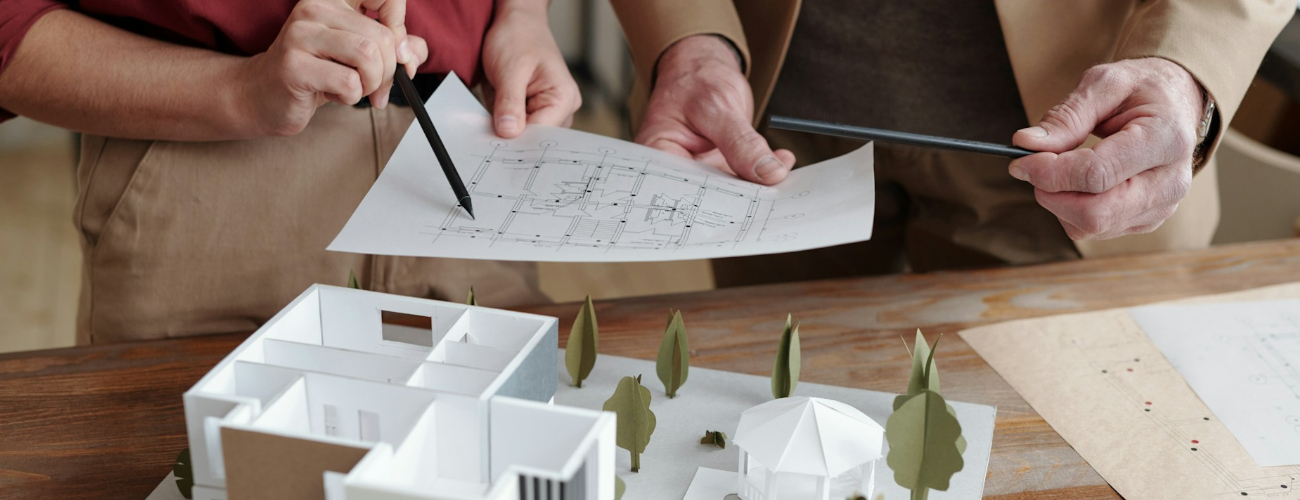
Floor Plans and Renderings:
- Develop detailed floor plans and 3D renderings. These documents help visualize the space and are essential for accurate execution.
Material and Finish Selections:
- Select materials and finishes for each part of your project, from flooring to fixtures, based on aesthetics, functionality, and durability.
Obtain Permits:
- Ensure that all necessary permits are obtained before starting any work. This can include building permits, electrical permits, and others, depending on your project scope.
Execution Phase
Timeline and Scheduling:
- Develop a clear timeline and schedule for the project. Coordinate with your contractors and designers to ensure all tasks are planned out from start to finish.
Regular Check-ins:
- Schedule regular check-ins with your team to monitor progress, discuss any issues, and make adjustments to the plan as necessary.
Quality Control:
- Regularly inspect the work being done to ensure it meets the quality standards and adheres to your design specifications.
Final Stages
Final Walkthrough:
- Conduct a final walkthrough with your contractor and designer to identify any issues or minor adjustments that need to be made.
Punch List:
- Create a punch list during the final walkthrough, detailing any unfinished tasks or corrections that are needed.
Furnishing and Decorating:
- Once construction is complete, begin furnishing and decorating according to your design plan. Consider proportions, color balances, and functional arrangements.
Post-Project Review
Review Contractor Performance:
- Assess the work of your contractors and the overall project management. Providing feedback helps them improve and guides you for future projects.
Maintenance Guidelines:
- Request maintenance guidelines for new installations and finishes to ensure their longevity.
Celebrate Your New Space:
- Once everything is completed, take time to enjoy and celebrate your newly designed space. Share it with friends and family, or simply bask in the results of your hard work.
Conclusion
By following this checklist, you can navigate the complexities of a design project with greater confidence and organization. Remember, the key to a successful design project lies in meticulous planning, effective communication, and a keen eye for detail. Each phase builds upon the previous one, leading to a well-executed final product that not only meets but exceeds your expectations.