

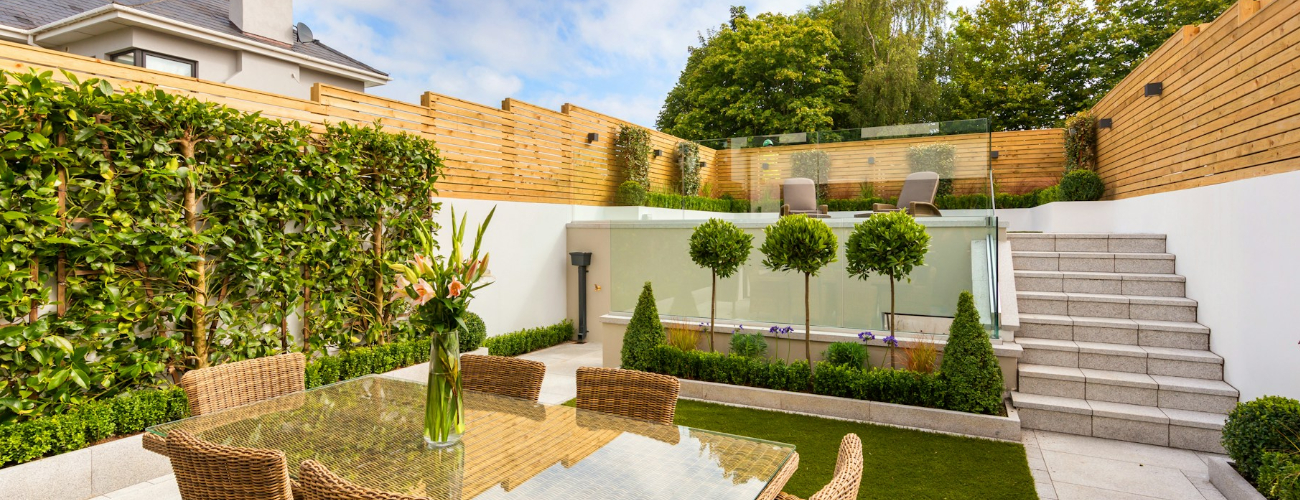
Building a Multi-Level Deck: Design Tips and Considerations
A well-designed multi-level deck can transform your backyard into a dynamic and functional outdoor living space. Unlike traditional single-level decks, multi-level designs offer flexibility, visual interest, and the ability to create distinct zones for dining, lounging, entertaining, or even gardening. Whether you’re working with a sloped yard or simply want to add dimension to your outdoor area, a multi-level deck adds both beauty and value to your home.
Here’s what to consider before you build—and how to make the most of your investment.
Plan Your Layout with Purpose
The key to a successful multi-level deck is intentional planning. Each level should serve a clear function. For example, one tier can be used for outdoor dining, another for a hot tub or fire pit, and a third as a quiet seating area. Think of the space as an outdoor floor plan—just like rooms in a house.
Ask yourself:
- How will you use the space?
- Do you want an area for entertaining or a private retreat?
- What’s the view like from each level?
A well-thought-out layout will make the deck both beautiful and functional.
Work with the Landscape
Multi-level decks are ideal for sloped or uneven backyards. Instead of forcing a flat deck into a challenging terrain, the design can follow the natural contours of the land. This not only reduces the need for costly excavation but also creates a deck that feels more integrated with its surroundings.
Use landscaping elements like stone walls, garden beds, or water features between levels to blend hardscaping with nature.
Prioritize Flow and Connectivity
While levels are meant to define separate areas, they should still feel connected. Use wide, gently sloped steps or short staircases with integrated lighting to ensure safe and seamless transitions between levels.
Other ways to create flow:
- Use consistent materials across all levels (decking, railing, trim)
- Add repeating design elements like planters or furniture styles
- Ensure clear sightlines from one level to the next
Creating cohesion between spaces will make the deck feel like a unified extension of the home.
Choose the Right Materials
Durability and style should go hand in hand. Popular choices for multi-level decks include:
- Composite decking: Low-maintenance and long-lasting, available in many colors and textures
- Pressure-treated wood: Affordable and strong, though it requires regular sealing
- Hardwoods like ipe or cedar: Visually striking and naturally resistant to decay
Railing materials—such as metal, cable, or glass—can also dramatically impact the look and safety of each level. Choose materials that suit your climate, budget, and desired aesthetic.
Factor in Safety and Local Codes
Safety is essential when designing a multi-level deck. Railings, staircases, and support structures must comply with local building codes. For elevated levels, proper footings and structural reinforcements are a must.
Before starting construction:
- Check local permit requirements
- Hire a licensed contractor if needed
- Ensure all structural elements are up to code
Proper planning and compliance will protect your investment and your family.
Final Thoughts
A multi-level deck is more than just an outdoor platform—it’s an opportunity to expand your living space, embrace your landscape, and enjoy your home in a new way. With careful planning, quality materials, and thoughtful design, your deck can become a favorite destination for relaxation, gatherings, and outdoor enjoyment all year round.