

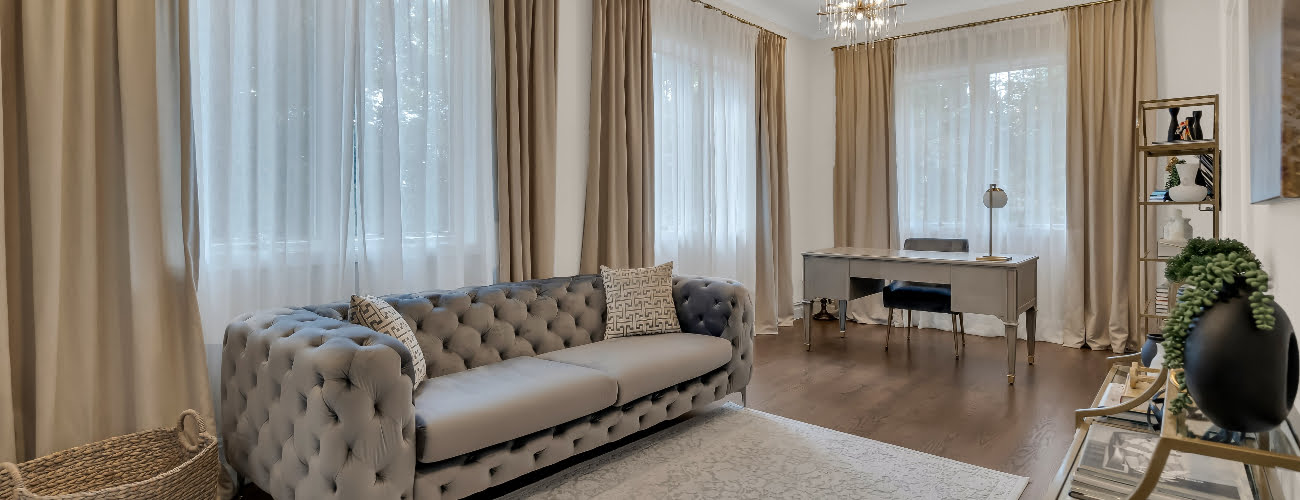
Boost Your Productivity with a Strategic Home Office Remodel
In today’s world, where remote work has become more prevalent than ever, having a functional and inspiring home office isn’t just a luxury—it’s a necessity. A well-thought-out home office remodel can significantly enhance your productivity by creating an environment that fosters focus and creativity. Here’s how you can strategically plan a home office remodel that not only meets your work needs but also makes you want to step into your office every morning.
Understanding Your Needs
Assess Your Workflow: Start by evaluating how you use your current workspace. What tasks do you perform regularly? What tools and technology do you use? Understanding your daily workflow helps you identify the essential elements your new office should accommodate, such as ample desk space, a place for your printer, or storage for files.
Identify Pain Points: Consider what doesn’t work in your current setup. Perhaps the lighting is inadequate, or the seating is uncomfortable. Maybe you’re facing distractions from household noise. Listing these issues will guide your remodeling decisions.
Designing the Space
Ergonomics First: Invest in ergonomic furniture that supports your body and enhances comfort during long working hours. An ergonomic chair that supports your back, a desk at the right height, and possibly a standing desk option can make a significant difference in your productivity and health.
Optimize Lighting: Good lighting is crucial. Natural light is best, so if possible, position your desk near a window. However, ensure you can control the amount of light to prevent glare on your computer screen. Additionally, incorporate task lighting, like a desk lamp, to support late-night or early-morning work sessions.
Minimize Distractions: If noise is a distraction, consider soundproofing your space or adding a white noise machine. Choose a room location that’s away from high traffic areas in your home. Incorporating shelves with decorative elements or plants can also create a visual barrier that helps define your workspace as separate from the rest of the home.
Leveraging Technology
High-Tech Setup: Ensure that your office supports the technology you need. This includes ample electrical outlets, strong Wi-Fi connectivity, and perhaps even built-in USB charging stations. Cable management systems can help keep cords organized and out of sight, which helps reduce clutter.
Smart Office Tools: Consider adding smart home technology, like a smart speaker that can help manage your schedule or control lighting and temperature with voice commands. This convenience can save time and create a more comfortable working environment.
Adding Personal Touches
Reflect Your Style: Decorate your office in a way that reflects your personal style and inspires you. This might include artwork, inspirational quotes, or a specific color scheme that energizes you. A visually appealing office can boost your mood and productivity.
Functional Decor: Use decor that doubles as functional elements. For instance, stylish filing cabinets, decorative baskets for storage, or a bulletin board for organizing notes and ideas.
Planning and Execution
Set a Budget: Determine how much you can afford to spend on your remodel and allocate funds accordingly. Consider the costs of new furniture, paint, decor, and any construction needs.
Hire Professionals: For significant changes, it might be beneficial to hire a designer or contractor. Professionals can help optimize the layout and ensure that any structural changes are safely executed.
Conclusion
A strategic remodel of your home office can dramatically improve your productivity. By creating a space that addresses your needs, minimizes distractions, and incorporates elements that boost efficiency and comfort, you’ll not only enhance your workday but also your overall work-from-home experience. Remember, the goal is to create a space that you feel motivated and comfortable in, so personalize it to suit your style and needs.