

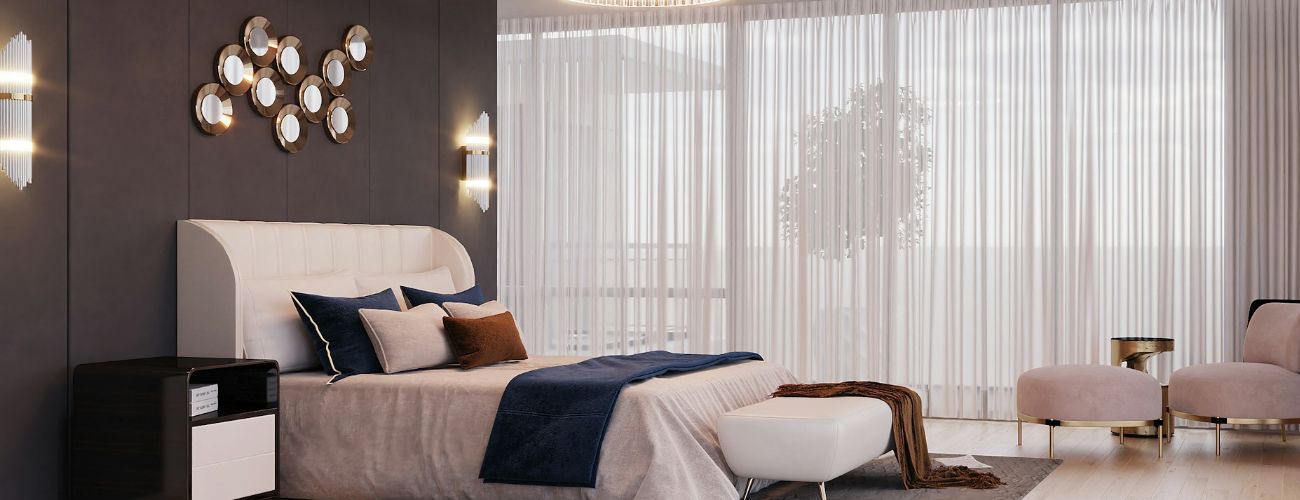
Bedroom Lighting Layers Explained
Lighting plays a critical role in bedroom comfort, functionality, and atmosphere. Unlike other rooms, bedrooms must support a wide range of activities, from relaxation and sleep to reading and dressing. Relying on a single light source often leads to harsh or inadequate lighting. Layered lighting offers a balanced solution by combining different types of light to create a flexible and comfortable environment.
What Are Lighting Layers?
Lighting layers refer to the strategic use of multiple light sources, each serving a specific purpose. In bedroom design, these layers typically include ambient lighting, task lighting, and accent lighting. Together, they provide overall illumination, support specific activities, and enhance visual interest.
Layered lighting allows the bedroom to adapt to different times of day and moods while maintaining both function and style.
Ambient Lighting: The Foundation Layer
Ambient lighting provides the general illumination for the bedroom. It sets the base light level and ensures the room is evenly lit. Common sources include ceiling-mounted fixtures, recessed lights, or flush-mount designs.
In bedrooms, ambient lighting should feel soft and calming rather than bright and harsh. Dimmable fixtures are highly recommended, as they allow light levels to be adjusted for relaxation or daily routines. Proper ambient lighting creates a comfortable backdrop for the other lighting layers.
Task Lighting: Supporting Daily Activities
Task lighting focuses on specific activities such as reading, getting dressed, or working at a desk or vanity. In bedrooms, bedside lamps, wall-mounted reading lights, and vanity fixtures are the most common task lighting solutions.
Placement is essential for effective task lighting. Bedside lights should be positioned at a height that illuminates reading material without shining directly into the eyes. Adjustable fixtures provide flexibility and improve comfort. Task lighting ensures functionality without overpowering the room.
Accent Lighting: Adding Depth and Character
Accent lighting highlights architectural features, artwork, or decorative elements in the bedroom. This layer adds depth and visual interest, preventing the space from feeling flat or purely functional. Examples include LED strip lighting behind headboards, cove lighting, or small spotlights aimed at artwork.
Accent lighting contributes to a warm, inviting atmosphere and enhances the overall design. While it is not essential for basic function, it plays an important role in creating a refined and well-designed bedroom.
Balancing Lighting Layers Effectively
The success of layered lighting depends on balance. Each layer should complement the others rather than compete. Ambient lighting establishes the mood, task lighting provides clarity where needed, and accent lighting adds visual richness.
Using dimmers across multiple layers allows greater control and customization. This flexibility makes it easy to transition the bedroom from an active daytime space to a calm nighttime retreat.
Choosing the Right Light Temperature
Light temperature affects how a bedroom feels. Warmer light temperatures create a cozy and relaxing environment, making them ideal for bedrooms. Cooler light may be suitable for task areas but should be used sparingly.
Consistency in light temperature across layers helps maintain visual harmony and prevents the room from feeling disjointed.
Lighting Placement and Bedroom Size
Bedroom size influences lighting strategy. Smaller bedrooms benefit from wall-mounted and recessed fixtures that save space. Larger bedrooms may require multiple ambient sources and accent lighting to avoid dark areas.
Proper placement ensures even illumination and enhances both comfort and usability.
Creating a Comfortable and Flexible Bedroom
Layered lighting transforms the bedroom into a space that supports both rest and daily activities. By combining ambient, task, and accent lighting thoughtfully, bedrooms become more adaptable, comfortable, and visually appealing. Understanding and applying lighting layers is key to achieving a well-balanced and inviting bedroom design.