

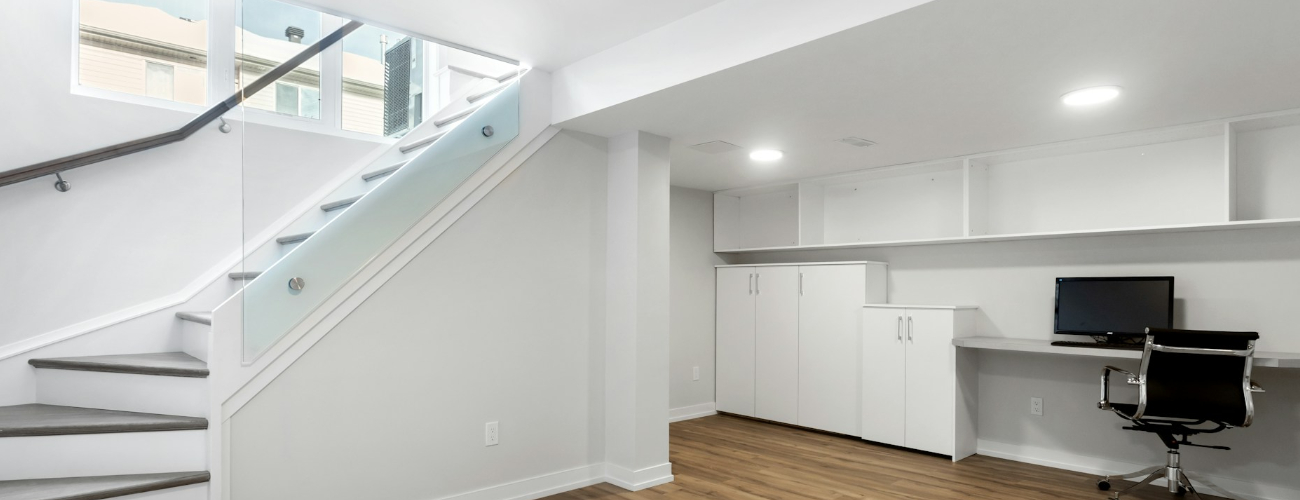
Basement Entryway Design: Stairs, Doors, and Lighting
Designing the entryway to your basement is one of the most important aspects of any renovation project. This area sets the tone for the rest of the space — it’s the first impression guests get when they walk downstairs, and it plays a key role in safety, comfort, and overall flow. Whether your basement serves as a family lounge, guest suite, or home office, a well-planned entryway design that combines functional stairs, stylish doors, and thoughtful lighting can transform how the entire lower level feels.
Rethinking the Stairs: Structure and Style
Basement stairs are often purely functional, but with some planning, they can become an architectural highlight. The first step is ensuring safety and structural stability. If your stairs are steep or narrow, consider widening the treads and adjusting the riser height to meet modern building codes. Adding a sturdy handrail or baluster not only improves safety but also enhances the visual appeal of the stairwell.
From a design perspective, the style of your stairs should complement the rest of your home. For a modern look, open-riser stairs with metal railings create a sleek, airy feel. In a traditional home, wooden stairs with decorative spindles and stained finishes add warmth and character. Painting the stair risers a light color while keeping the treads darker can create visual depth and make the descent feel less confined.
If ceiling height allows, adding a landing halfway down can break up the descent and create an elegant transition to the basement. For smaller basements, space-saving solutions such as spiral or L-shaped staircases can maximize floor area while maintaining functionality.
Choosing the Right Door for Your Basement
The basement door serves as both a design element and a functional barrier between levels. The type of door you choose can affect airflow, lighting, and sound insulation. If your basement is used as a separate living space or guest suite, a solid-core door provides privacy and noise control.
For a more open and inviting transition, glass-panel doors or French doors allow natural light to pass through, brightening both the stairwell and the basement. Sliding barn doors are another stylish option — they save space and add rustic charm, making them ideal for modern farmhouse or industrial-inspired designs.
If your basement has an exterior entrance, weather-resistant materials are crucial. A steel or fiberglass exterior door provides durability, insulation, and security while still offering aesthetic flexibility. Adding sidelights or a small window panel can bring in natural light without compromising privacy.
The Importance of Lighting
Lighting is perhaps the most transformative element in a basement entryway. Since basements typically lack natural light, a layered lighting design ensures the space feels bright, safe, and welcoming. Start with recessed ceiling lights or wall sconces along the stairway to illuminate each step clearly. Motion-activated stair lights are a great energy-efficient option, automatically turning on as you walk down.
Accent lighting can also elevate the entryway’s look. For example, LED strips under stair treads create a contemporary glow, while pendant lights above a landing can add elegance and visual interest. Choose warm light temperatures to make the area feel cozy rather than harsh, and avoid deep shadows that make narrow spaces feel smaller.
If the stairwell has a nearby wall, consider installing a decorative mirror to reflect light and open up the area visually. Light-colored paint on the walls and ceiling enhances brightness and helps distribute illumination evenly.
Coordinating Finishes and Materials
A cohesive design ties everything together. Use materials and finishes that echo those found in the rest of your home to make the basement feel like a natural extension. For instance, if your upper floors feature oak flooring, use matching tones on the stair treads or railing. If your home leans toward modern design, matte black hardware and clean-lined door styles maintain consistency.
Wall treatments like wainscoting, shiplap, or subtle wallpaper patterns can also add texture and personality without overwhelming the space. Combining these finishes with soft, diffused lighting creates a balanced and inviting entryway that enhances both style and comfort.
Final Thoughts
A thoughtfully designed basement entryway is more than just a passageway — it’s a visual and functional connection between your main living space and your lower level. By focusing on safe and stylish stairs, the right door type, and strategic lighting, you can create a welcoming transition that feels cohesive with the rest of your home. Whether your goal is elegance, practicality, or a mix of both, a well-executed basement entryway design ensures your basement doesn’t feel like an afterthought but an integral, inviting part of your living environment.