

Basement Ceiling Ideas: Drop Ceilings vs. Drywall
Choosing the right ceiling for a basement renovation plays a major role in both aesthetics and long-term functionality. Basement ceilings must often accommodate ductwork, plumbing, wiring, and structural elements while still creating a comfortable and visually appealing space. Two of the most common options are drop ceilings and drywall ceilings, each offering distinct advantages and limitations depending on the project goals.
Key Factors to Consider in Basement Ceiling Design
Before selecting a ceiling type, it is important to assess ceiling height, access requirements, moisture conditions, and the intended use of the basement. Basements typically require easy access to mechanical systems, and ceiling height may already be limited. Balancing practicality with design is essential for a successful renovation.
Drop Ceilings: Flexibility and Accessibility
Drop ceilings, also known as suspended ceilings, consist of a metal grid system with removable panels. One of their greatest advantages is easy access to plumbing lines, electrical wiring, and HVAC components. Individual tiles can be removed without damaging the ceiling, making repairs and upgrades simple.
Modern drop ceiling systems have evolved significantly. Today’s options include sleek tiles with smooth finishes, wood-look panels, and moisture-resistant materials designed specifically for basement environments. Drop ceilings also offer acoustic benefits, helping reduce noise transmission between floors.
However, drop ceilings typically reduce ceiling height by several inches, which can be a drawback in basements with low clearances. The visible grid system may also feel less refined in high-end design projects.
Drywall Ceilings: Clean and Seamless Appearance
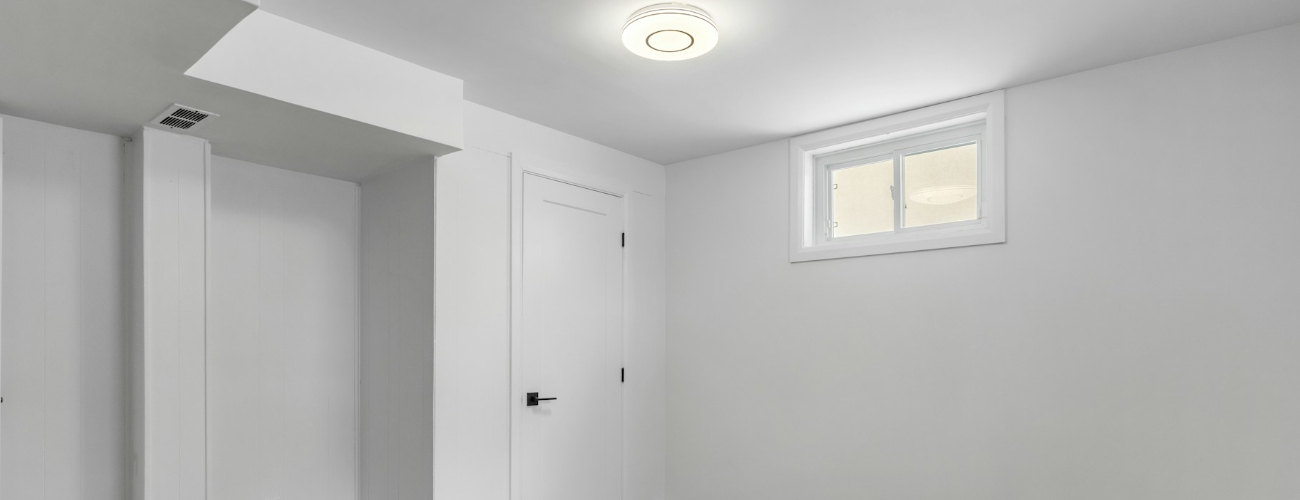
Drywall ceilings provide a smooth, continuous surface that closely resembles ceilings in upper living areas. This option creates a more polished and modern look, making it ideal for basements that function as family rooms, home theaters, or guest suites. Drywall allows for recessed lighting, crown molding, and custom design features that enhance visual appeal.
The main limitation of drywall ceilings is reduced accessibility. Once installed, reaching pipes or wiring requires cutting into the ceiling, which can increase maintenance costs over time. Drywall is also more sensitive to moisture, so proper waterproofing and humidity control are critical in basement environments.
Cost and Installation Considerations
Drop ceilings are generally faster and less expensive to install, especially in basements with extensive mechanical systems. They also simplify future repairs, potentially reducing long-term costs. Drywall ceilings often require more labor, finishing work, and careful coordination around fixtures, which can increase upfront expenses.
Moisture and Maintenance
Basements are more prone to moisture issues, making material selection especially important. Drop ceiling tiles are available in mold-resistant and moisture-resistant options, offering added protection. Drywall ceilings require proper sealing, vapor barriers, and humidity management to prevent damage.
Matching the Ceiling to the Basement’s Purpose
The best ceiling choice depends on how the basement will be used. Utility areas and multipurpose spaces often benefit from the flexibility of drop ceilings, while finished living areas may prioritize the seamless appearance of drywall. In some renovations, a hybrid approach is used—drywall in main areas and drop ceilings in utility zones.
Conclusion
Both drop ceilings and drywall ceilings offer valuable benefits for basement renovations. Drop ceilings provide accessibility, affordability, and acoustic advantages, while drywall ceilings deliver a clean, high-end aesthetic. By considering ceiling height, maintenance needs, and design goals, homeowners can select the option that best supports a functional and visually appealing basement space.