

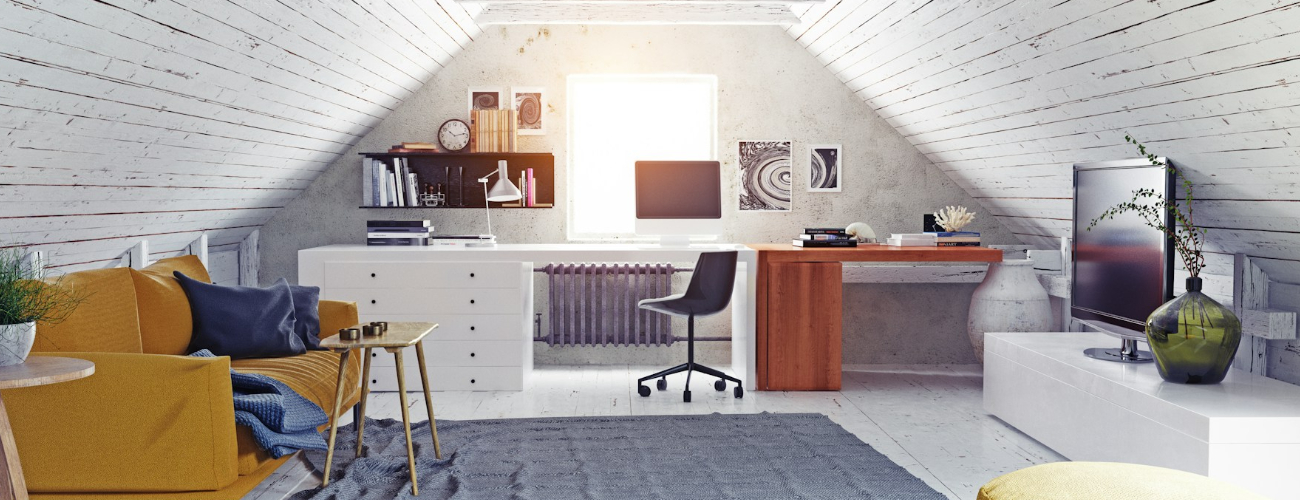
Attic Home Offices: Creating a Quiet and Productive Space
In today’s world of remote work, having a quiet, dedicated space to focus is more important than ever. For many homeowners, the attic offers a unique opportunity to create a private and functional home office—one that’s removed from daily distractions and filled with character. With smart planning and thoughtful design, an attic can be transformed into a stylish and productive workspace that enhances both your home’s value and your work-life balance.
Why Choose the Attic for a Home Office?
The attic’s location makes it naturally secluded, which is ideal for concentration and privacy. Unlike shared spaces in busy parts of the house, an attic home office offers a calm environment perfect for focused tasks, virtual meetings, and uninterrupted work hours.
Moreover, converting attic space into an office is a smart use of square footage that might otherwise go unused or serve only for storage.
Planning for a Comfortable Workspace
Before beginning your renovation, it’s essential to assess the attic’s structural and environmental conditions. Pay attention to the following:
Insulation and Ventilation
Attics tend to be hot in the summer and cold in the winter. Proper insulation, along with a ventilation system or a mini-split HVAC unit, is key to maintaining a comfortable year-round temperature.
Lighting
Natural light is a valuable asset. If your attic has dormer or skylight windows, use them to your advantage. Add layered lighting, including task lights, desk lamps, and soft ambient lighting to avoid eye strain and maintain a productive environment.
Flooring
Since attic floors may not be designed for heavy foot traffic, installing lightweight yet durable flooring—such as engineered wood or vinyl plank—can ensure comfort without stressing the structure.
Smart Layout and Storage
Attics often feature sloped ceilings, which can be a design challenge—but also an opportunity. Here’s how to make the most of the layout:
- Place your desk near windows or under the highest point of the ceiling to give yourself vertical space and natural light.
- Use built-in shelving along low walls to create efficient storage without sacrificing headroom.
- Add modular furniture that fits tight spaces and can easily be rearranged if needed.
Keeping your workspace clutter-free will also boost productivity and reduce stress.
Design Tips for Style and Function
A successful attic home office should reflect both your personal style and practical needs. Consider these finishing touches:
- Color palette: Light, neutral tones can make a small attic feel larger and brighter. Soft blues, grays, and whites create a calming atmosphere.
- Acoustic solutions: Add area rugs, upholstered furniture, and even acoustic panels to minimize noise from the rest of the house.
- Tech-friendly setup: Install enough outlets, internet wiring, and surge protectors to support your devices and video conferencing setup.
You can also personalize the space with artwork, plants, or motivational décor to make it a place where you enjoy spending time.
Final Thoughts
Converting your attic into a home office is a rewarding project that brings functionality to unused space. With thoughtful design and the right upgrades, you can create a quiet retreat where productivity thrives. Whether you’re working full-time from home or need a place to focus on side projects, an attic office offers privacy, inspiration, and a better work-life balance—all just a staircase away.