

Architectural Design vs. Interior Design: Where They Overlap
In renovation and construction projects, the terms architectural design and interior design are often used interchangeably. While each discipline has distinct responsibilities, their collaboration is essential to creating cohesive and functional spaces. Understanding where architectural and interior design overlap helps homeowners appreciate the value of integrated planning.
The Role of Architectural Design
Architectural design focuses primarily on the structure and form of a building. Architects are responsible for spatial layout, structural systems, exterior appearance, and compliance with building codes. They determine room proportions, ceiling heights, window placement, and circulation paths.
In renovation projects, architectural decisions may involve removing load-bearing walls, adding extensions, redesigning façades, or improving structural integrity. The emphasis is on long-term performance, safety, and the overall envelope of the building.
Architectural planning sets the framework within which all other design elements operate.
The Role of Interior Design
Interior design concentrates on how spaces function and feel from within. Designers select materials, finishes, lighting, color schemes, furniture layouts, and decorative elements. Their work shapes daily experience and aesthetic identity.
In renovation contexts, interior design addresses cabinetry configuration, flooring selection, lighting strategy, and the visual relationship between materials. While architectural design defines the structure, interior design refines how that structure supports comfort and usability.
Points of Overlap
Although their responsibilities differ, architectural and interior design frequently intersect. Spatial planning is one of the most significant areas of overlap. Decisions about wall placement, door openings, and window sizing directly influence both structural considerations and interior atmosphere.
Lighting design also bridges the two disciplines. Architects may define window orientation and ceiling configurations, while interior designers determine fixture placement and ambiance. Together, these decisions shape natural and artificial illumination.
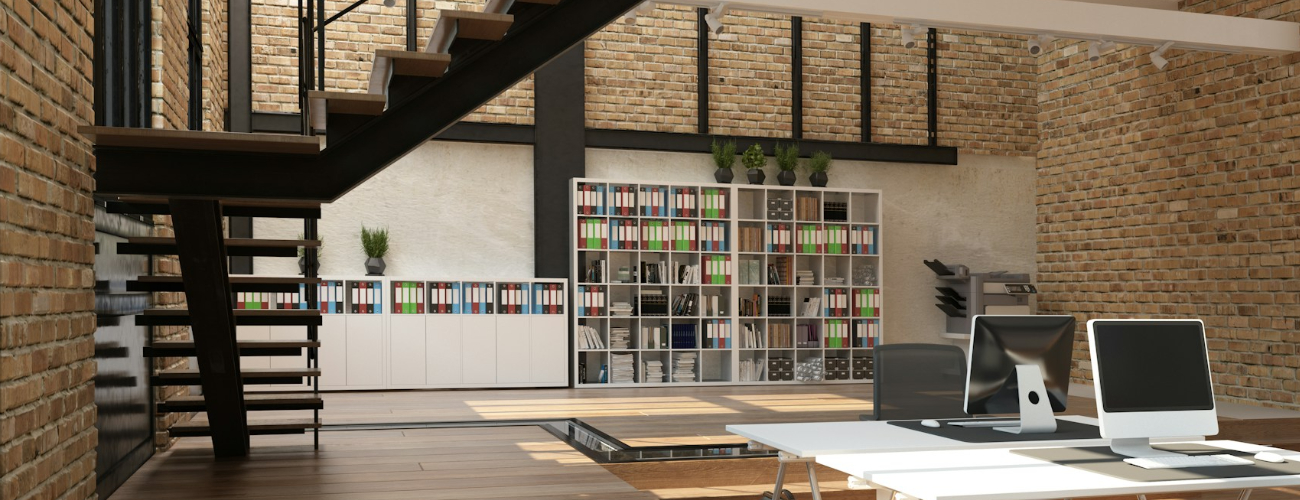
Material selection represents another shared territory. Exterior finishes often connect visually with interior materials. For example, exposed concrete or structural steel elements may continue from façade to interior, requiring coordinated planning.
Built-in features such as staircases, fireplaces, and custom cabinetry require both structural design and aesthetic detailing. Collaboration ensures these elements function safely while aligning with the overall visual concept.
Renovation as a Collaborative Process
In renovation projects, coordination becomes even more critical. Structural modifications must account for interior layout goals, and interior design choices must respect load-bearing systems and mechanical infrastructure.
When architectural and interior design teams collaborate early, potential conflicts are minimized. For instance, ceiling heights influence lighting placement, and wall thickness affects storage solutions. Integrated planning prevents costly revisions later in the process.
Balancing Form and Experience
Architectural design shapes the form and durability of a building, while interior design defines how that space is experienced. One discipline focuses on structure and compliance; the other prioritizes atmosphere and functionality.
However, neither operates effectively in isolation. A well-designed home requires alignment between exterior expression and interior detail. Proportions, materials, and light must flow seamlessly from structural framework to lived environment.
A Unified Vision
The overlap between architectural and interior design reflects a broader principle: successful renovation depends on cohesive thinking. When both disciplines contribute collaboratively, the result is a space that is structurally sound, visually balanced, and comfortable to inhabit.
Understanding where architectural and interior design intersect allows homeowners to approach projects with clarity. By valuing both perspectives equally, renovation efforts achieve greater harmony and long-term satisfaction.